
Mosaic Languages shares practical, down-to-earth guidance on language learning, teaching and multilingual family life in the uk for readers across the UK.
- 0123456789
- Angle Bd Abdelmoumen & rue soumaya, Résidence
- [email protected]
Mosaic Languages shares practical, down-to-earth guidance on language learning, teaching and multilingual family life in the uk for readers across the UK.
 By Eleanor Whitfield
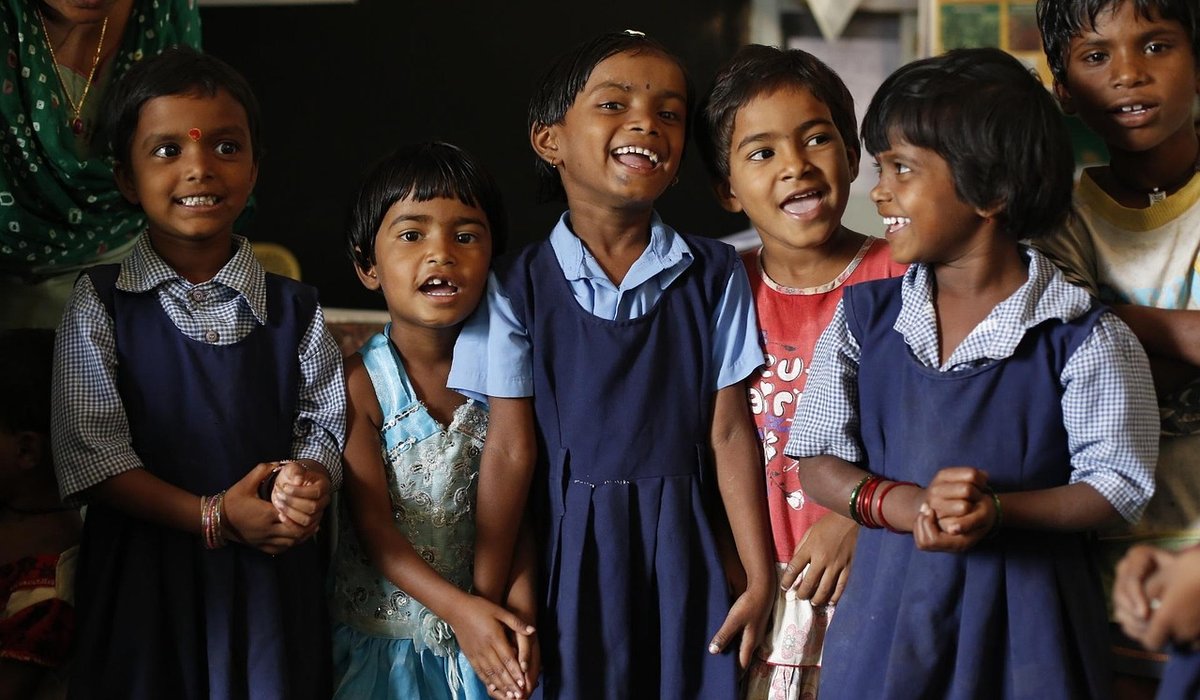
Walk into a community hall during Diwali, Nowruz or a Lunar New Year celebration and you will hear the language you are learning doing something remarkable: working. People are greeting each other, teasing, explaining, praying, cooking, arguing about the seating plan. Nothing in a textbook quite matches that. Festivals give learners a rare chance to hear a language spoken at natural speed, in a real emotional context, by people who are not performing for an audience of beginners.
For multilingual families in the UK, community celebrations are also one of the most reliable ways to keep a heritage language alive between generations. A child who rolls their eyes at a Saturday language class will happily spend three hours helping an aunt fold dumplings while being told, in Polish or Punjabi or Welsh, exactly how badly she is folding them.
Three things make festival language stick. First, it is repeated — the same greeting, the same chorus, the same blessing, hour after hour. Second, it is tied to strong sensory memory: the smell of frying, the weight of a drum, the particular way a hall fills with noise. Third, and most importantly, there is a genuine reason to speak. You are not asking for the time in a hypothetical café; you are asking the woman at the food stall what is in the pastry, and she is answering you properly.
There is also something quietly useful about the register. Festivals mix formal and informal language freely — a solemn blessing one moment, a joke about someone's parking the next. Learners who only ever meet polite classroom language often find this whiplash confusing. A community event teaches them that a language can be both reverent and cheeky within the same hour.
Expect progress in very specific, very portable areas rather than grammatical mastery. The wins tend to look like this:
A little preparation roughly doubles what you take away. Before you go, learn five words, not fifty: one greeting, one thank-you, one food word, one compliment and one question — "How do you say that?" is the single most useful sentence in any language. Write them on your phone, practise them aloud in the car, and accept that you will pronounce at least one wrongly.
At the event, ask before you photograph, offer to help with clearing up, and let people correct you. Most communities are delighted by a genuine attempt and quietly unimpressed by a perfect accent with no curiosity behind it. Afterwards, write down what you heard while it is fresh — three phrases, one song title, one conversation. Record the melody on your phone if someone is happy for you to do so. Then use it: label the fridge, teach it to a housemate, bring it to your next class.
For multilingual households, festivals often do more for language maintenance than years of gentle nagging. The key is to give children a role rather than an audience. Let them be the ones who ring the relatives, read the recipe, translate for a visitor or introduce the food to a friend. Being useful in a language is far more motivating than being tested in it.
Grandparents are the great untapped resource here. A ten-minute recorded conversation about how a festival was celebrated forty years ago — in the home language, with a child asking the questions — becomes listening material for years. Add subtitles in English later if you like, but keep the original recording untouched.
Above all, go as a participant rather than a researcher. Bring something, eat something, stay for the tidying up. The language you remember best will be the language you used while your hands were busy and nobody was watching.


We are not gonna make spamming
